
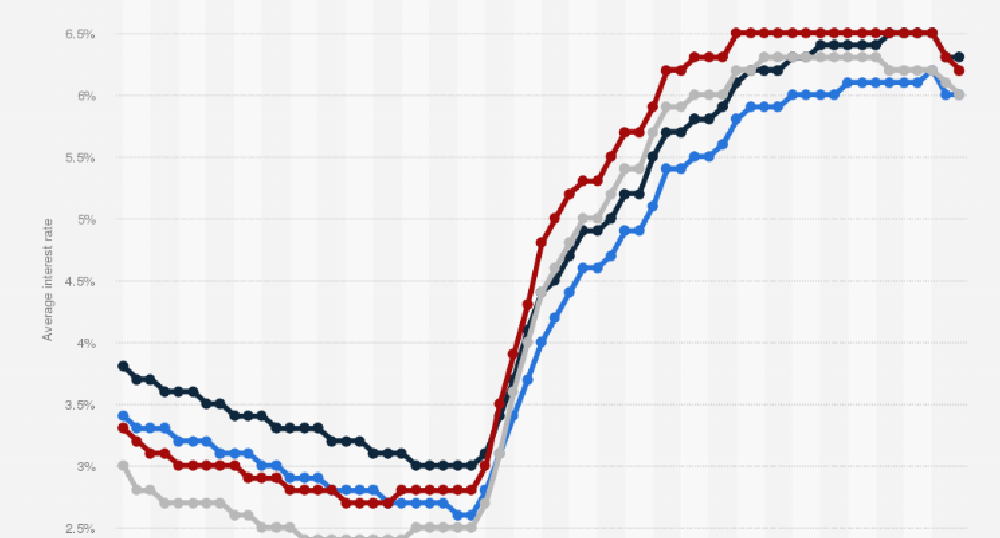
Understanding Interest Rates in Australia: Fixed vs Variable
Interest rates are one of the most important factors when securing a mortgage in Australia. Whether you are a first-home buyer stepping into the property market, upgrading to a larger home, or investing in real estate, understanding the difference between fixed and variable interest rates is crucial for making informed financial decisions. The Reserve Bank of Australia (RBA) continuously adjusts its policy rates based on economic conditions, which directly impacts how much borrowers pay each month and their overall borrowing capacity.
At Lenas Capital – Empowering Financial Growth, we go beyond simply helping clients choose a home loan. We provide personalized guidance tailored to each individual’s financial situation, goals, and risk tolerance. Our experts analyze the latest market trends, compare multiple lenders, and evaluate the long-term implications of different interest rate options. By doing so, we ensure that every decision — whether it’s selecting a fixed rate for stability, a variable rate for flexibility, or a split loan for balance — aligns with our clients’ financial growth objectives.
In addition to helping clients understand rates, we also guide them through practical steps to strengthen their mortgage application, including improving credit scores, managing debts, and preparing documentation for pre-approval. With Lenas Capital, borrowers gain confidence, clarity, and control over one of the most important financial commitments of their lives. Our mission is to empower Australians to make smart, informed mortgage decisions that support both their short-term needs and long-term wealth-building goals.
What Are Interest Rates?
An interest rate is the cost of borrowing money from a lender, expressed as a percentage of the loan amount. In home loans, your monthly repayment consists of two main components:
- Principal – the original loan amount
- Interest – the cost charged by the lender for borrowing the money
The type of interest rate you choose can affect both your monthly repayments and the total cost of the loan over time.
Fixed Interest Rates
A fixed-rate loan means that your interest rate stays the same for a specified period, usually 1–5 years.
🔹Advantages:
✅ Predictable monthly repayments
✅ Protection from interest rate increases
✅ Easier budgeting
🔹 Disadvantages:
❌ Limited flexibility
❌ May be higher than the current variable rate
❌ Break fees if you refinance or pay off early
Example:
If you borrow AUD 500,000 at a fixed rate of 6% for 5 years, your monthly repayment remains constant, regardless of RBA changes.
At Lenas Capital, we help borrowers assess whether fixed rates are suitable based on financial stability and market predictions.
Variable Interest Rates
A variable-rate loan means the interest rate can change at any time, based on market conditions and RBA cash rate changes.
🔹 Advantages:
✅ Potential to benefit if interest rates fall
✅ Flexibility to make extra repayments without penalty
✅ Options to refinance or switch to another lender easily
🔹 Disadvantages:
❌ Monthly repayments may increase if interest rates rise
❌ Harder to budget during volatile market conditions
Example:
If the RBA increases rates, your repayments increase proportionally. Conversely, if rates fall, you save on monthly repayments.
Lenas Capital works with clients to evaluate the risk tolerance for variable loans and find the most competitive rates available.
Split Loans – Best of Both Worlds
A split loan divides your mortgage into fixed and variable portions. For instance, 50% fixed and 50% variable.
Benefits:
- Combines stability with flexibility
- Protects part of your repayment from sudden rate hikes
- Offers potential savings if market rates fall
This option is popular among borrowers seeking balanced risk management.
How Interest Rates Affect Your Mortgage
Interest rates influence:
-
Monthly repayment amounts
-
Total loan cost over time
-
Borrowing capacity
Even a small change in rates can make a significant difference over a 25–30 year loan term. That is why careful planning and expert advice are essential.
Lenas Capital Approach to Choosing the Right Rate
At Lenas Capital, we guide clients through the decision-making process by:
-
Reviewing your financial goals and stability
-
Comparing fixed, variable, and split options across multiple lenders
-
Calculating total cost scenarios for each interest rate type
-
Providing transparent recommendations aligned with your short-term and long-term plans
Our goal is not just to get approval but to ensure sustainable financial growth for our clients.
Key Tips for Borrowers in 2026
- Check current RBA cash rates before applying
- Understand your repayment flexibility needs
- Consider your risk tolerance for rising interest rates
- Factor in extra costs like fees and insurance
- Seek professional advice for tailored solutions
Final Thoughts
Understanding the difference between fixed and variable interest rates is crucial to making an informed mortgage decision in Australia. Fixed rates offer stability, while variable rates provide flexibility and potential savings. Many borrowers also consider split loans to balance risk and reward.
With professional guidance from Lenas Capital, you can confidently choose the right interest rate type for your mortgage, align repayments with your financial goals, and make informed decisions for a secure homeownership journey.